EN


In pharmaceutical warehousing, temperature and humidity are never just simple environmental parameters.
They are directly related to the safety, stability, and traceability of pharmaceuticals and medical devices during storage, turnover, inbound and outbound operations.
Especially for pharmaceutical warehouses that combine both long-term storage and transit functions, the real challenge is not merely achieving temperature compliance. It lies in maintaining a continuously stable and controllable temperature and humidity environment across different functional zones, operational scenarios, and seasonal conditions.
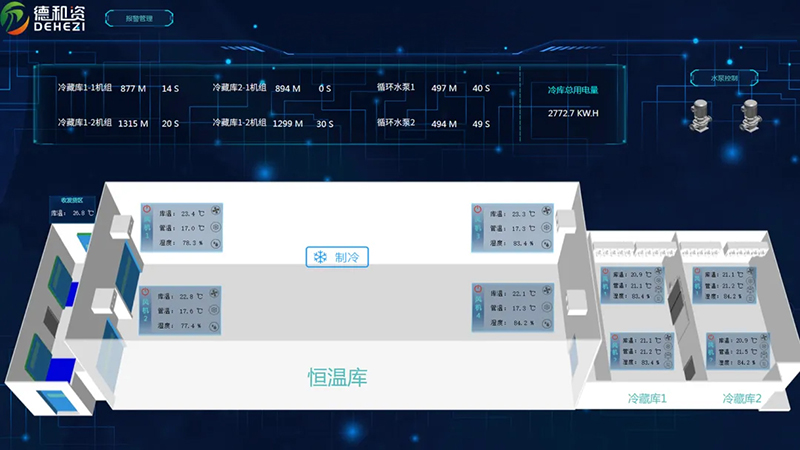
The Shengshi Huaren pharmaceutical warehouse project, undertaken by Dehezi, is designed around the actual operational requirements of pharmaceutical storage. By comprehensively considering temperature zoning planning, system configuration, centralized control, and post-operation management, we help the client establish a more stable, reliable, and manageable temperature and humidity control system.
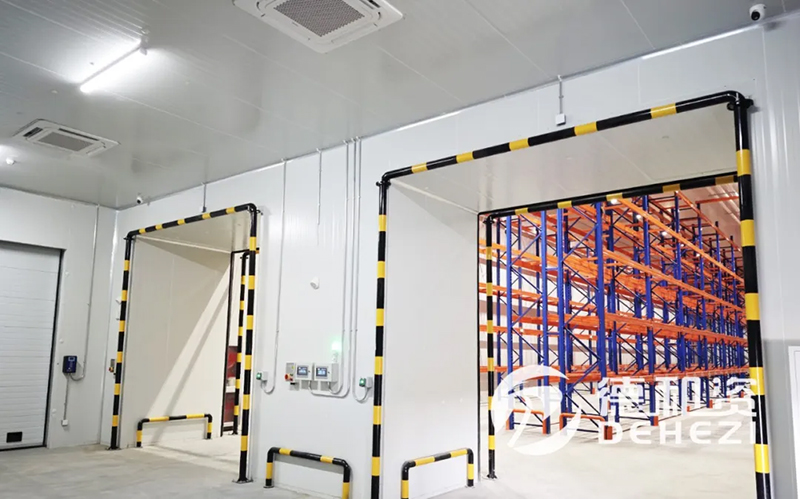
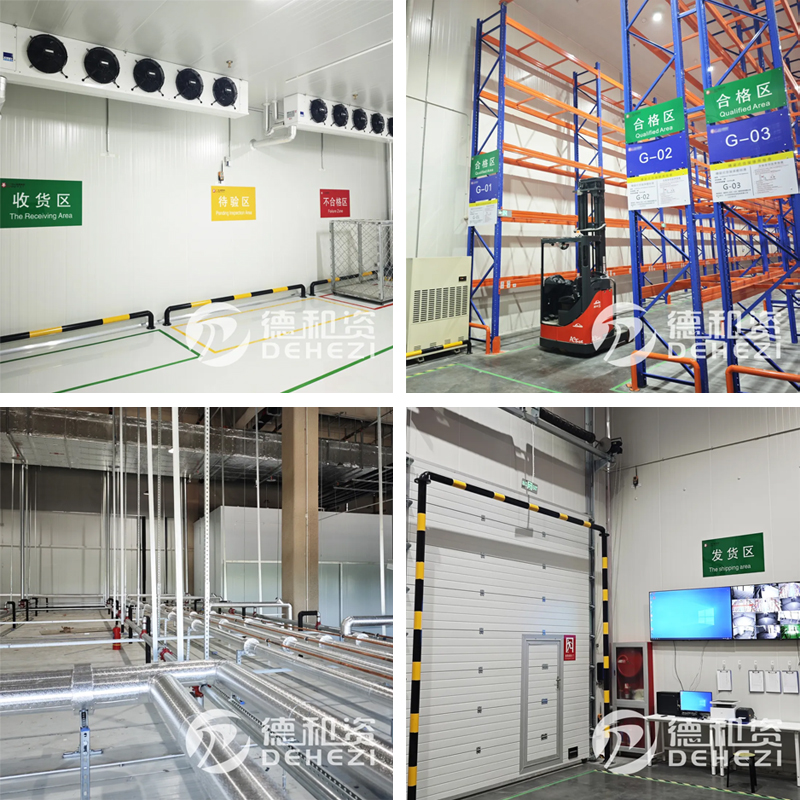
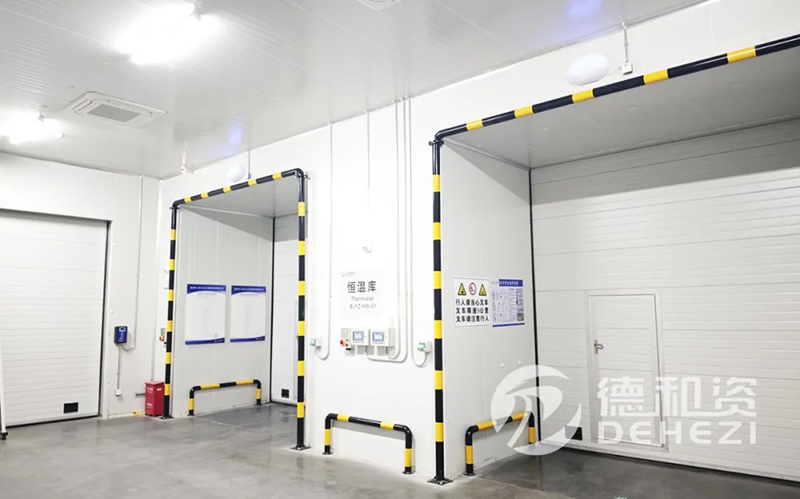
Based on actual operational requirements of the project, different functional areas are planned as a whole, ensuring smoother temperature-control coordination between zones such as constant-temperature storage, refrigerated storage, buffer areas, and inbound/outbound processing.
For pharmaceutical warehousing, temperature stability does not only exist after the cold room doors are closed. It is also reflected in every door opening, every turnover, and every inbound and outbound operation.
Therefore, in Dehezi’s project implementation, we do not only focus on whether the internal environment meets the required standards. We place greater emphasis on temperature stability during real-world cargo movement.
Through rational temperature-zone design, buffer configuration, and system-level coordination, temperature disturbances between different areas are minimized. Fluctuations during inbound and outbound processes are reduced, enabling more stable and continuous pharmaceutical warehousing operations.