EN


According to Beijing Daily, pharmaceuticals arriving at Beijing Daxing International Airport can be transferred from the aircraft apron to a temperature-controlled warehouse in as little as 10 minutes. This figure reflects the transfer efficiency of a specific local operation; it is not a universal time requirement for pharmaceutical cold chains. It does, however, raise an important question: as transfers become faster, can warehouses receive shipments promptly and move them smoothly into storage?
When should the vehicle arrive at the loading dock? Where should the shipment be unloaded? Who will check it, which temperature zone should it enter, and how will temperature records be handed over? All of these details need to be arranged in advance.
The distance from arrival to storage may be short, but the process involves a handover between transport and warehousing, as well as coordination between people and equipment. For pharmaceutical cold storage, maintaining stable conditions begins the moment a shipment is received.
1. What Happens After Pharmaceuticals Arrive at the Warehouse?

The arrival of pharmaceuticals at a warehouse does not mean the receiving process is complete. During busy periods, several refrigerated vehicles may arrive in succession. While one shipment is still being checked, the next vehicle is already waiting to unload. Receiving staff may be checking documents while handling staff wait for the storage location to be confirmed, and warehouse doors open and close repeatedly as work continues. Without advance coordination of arrival information, staffing and warehouse space, delays can arise between these steps.
Upon arrival, the transport facilities and arrival temperature must be checked in accordance with procedures. Temperature records from the journey must be reviewed and retained, while accompanying documents, product information and packaging condition must also be verified. Products that meet the requirements should be promptly moved to a designated area with suitable temperature conditions to await inspection, before completing the remaining acceptance and storage procedures. Products that do not meet the requirements should be refused and documented, held separately under suitable temperature conditions, and reported to the quality management department for handling.
Checks, handovers and handling all need to be coordinated in advance. Three situations deserve particular attention:
Vehicles waiting. When multiple deliveries arrive at once and unloading capacity is insufficient, receiving can take longer. Required transport temperature conditions must still be maintained while vehicles wait.
Frequent door openings. Receiving and dispatch increase air exchange between indoor and outdoor areas, placing greater pressure on temperature control in the affected spaces.
Delays during handover. If checks or data entry take too long, inadequate temperature control in the temporary holding area can increase the risk of temperature excursions.
That is why preparations should begin before the vehicle arrives. Confirming storage requirements, estimated arrival times and quantities in advance—and arranging staff, receiving locations and space for products awaiting inspection—can help reduce delays caused by last-minute coordination.
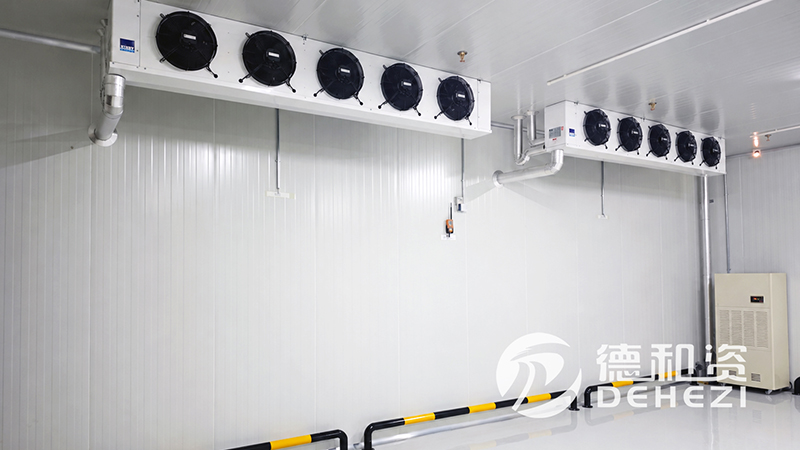
2. What Should Be Considered When Designing a Pharmaceutical Cold Storage Facility for Reliable Receiving?

Ultimately, these design decisions need to reflect the products stored and the way the facility operates. Two pharmaceutical cold storage facilities of the same size may require different engineering solutions because of differences in product types, delivery frequency and handling methods.
3. When Pharmaceuticals Are Handed Over, Temperature Records Must Follow
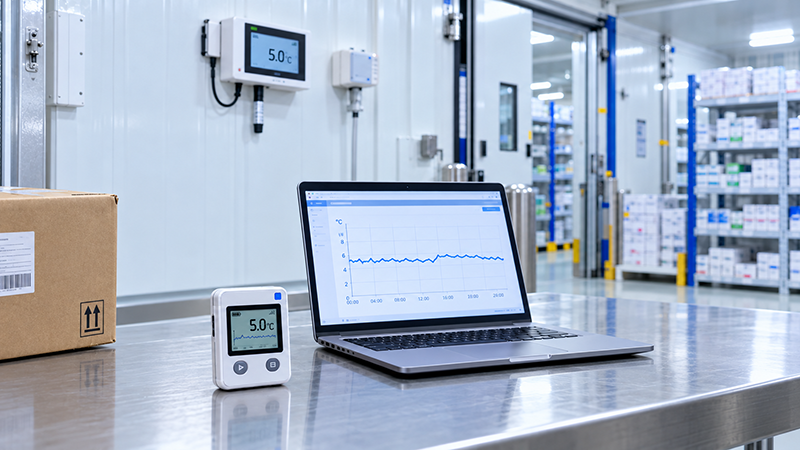
Once a pharmaceutical shipment has been physically handed over, the associated records must also form a continuous trail. Transport temperature records, arrival time, the location where products await inspection, their final storage location and warehouse temperatures during the relevant periods should be linked through identifiers such as batch numbers, transport documents or receiving records. The clocks on different systems should also be checked to prevent gaps in the timeline around the handover.
If an unexpected delay or temperature excursion occurs, managers need to review temperature, location and incident-response records together to determine where the products were, how long the issue lasted and who took what action. One detail is easy to overlook: normal warehouse temperatures do not replace the need to review transport temperature records. Each set of records serves a different purpose, and both need to be examined together.
For pharmaceutical cold storage facilities, the value of an intelligent temperature-control system is also evident in these everyday tasks. It can continuously collect and retain environmental data, issue timely alerts when conditions deviate, and provide information for on-site checks and follow-up investigations. When records are accessible and can be matched, staff are better equipped to reconstruct what happened, locate the affected products promptly and handle them according to established procedures.
4. From Project Handover to Daily Operations, Stability Requires Ongoing Maintenance
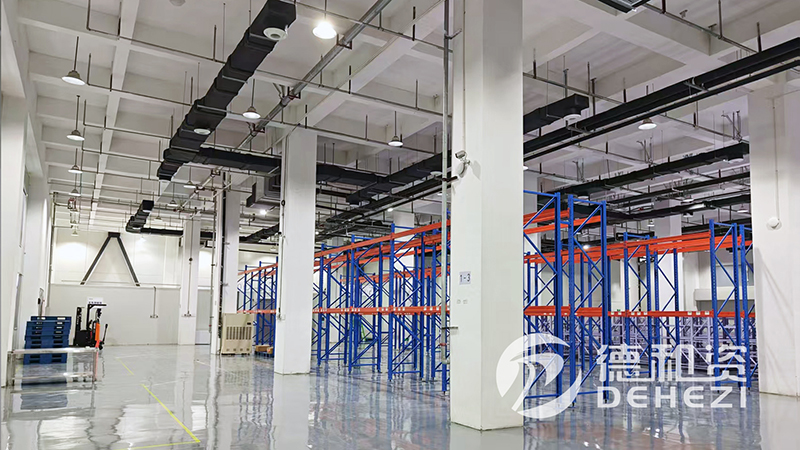
Once a pharmaceutical cold storage facility is built and put into operation, it requires ongoing management. Refrigeration equipment, door seals, sensor readings and alarm delivery to staff on duty all need regular checks. Power supplies and backup facilities should also be maintained and tested as required.
Day-to-day operations also call for attention to issues such as doors being left open for too long, goods obstructing airflow and insufficient arrangements for peak receiving periods. Recurring alarms should be investigated to identify their causes, rather than simply acknowledged each time.
These are also priorities for Dehezi in its pharmaceutical cold storage projects: starting with the products’ storage requirements and receiving and dispatch processes, and designing facilities with their long-term use in mind.